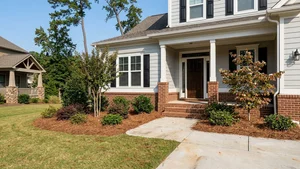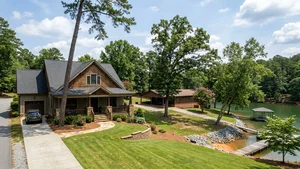
Purchasing a home in the current 2026 market requires a clear strategy, especially in high-demand recreational regions. The area surrounding Lake Lanier offers a unique blend of natural amenities and proximity to major employment centers in northern GA.
Many new buyers assume that lake-adjacent living is entirely out of reach for a typical entry-level budget. However, navigating the market for first time home buyers Lake Lanier GA reveals multiple practical pathways to homeownership just minutes from the water.
Why the Lake Lanier Area Makes Sense for First-Time Buyers
Choosing a primary residence near the lake provides access to 692 miles of shoreline without sacrificing career mobility. Commuting from the lake's southern and western shores to major employment hubs in Alpharetta and Duluth is highly manageable. During peak 2026 traffic, drivers can expect a 20 to 35-minute commute to Alpharetta via GA-400.
Traveling to downtown Atlanta takes slightly longer, typically requiring 60 to 90 minutes via I-985 or GA-400 depending on the departure time. Beyond employment logistics, the region features objective amenities that enhance daily living for residents. Access to Don Carter State Park, numerous public boat ramps, marinas, and the expansive retail hub at the Mall of Georgia ensures convenience.
Entry-Level Property Types Around Lake Lanier
Direct waterfront properties with private, deep-water docks typically start near $850,000 in the current market. Because the Army Corps of Engineers strictly regulates dock permits along the shoreline, these permitted properties carry a massive premium. This pricing reality makes off-water or community-access homes the most practical target for first-time purchasers.
The median entry-level housing tier currently ranges from $450,000 to $580,000 across Hall, Forsyth, and Gwinnett counties. Buyers focusing on this price bracket will find a healthy mix of attached and detached housing stock. Securing a home on Lake Lanier in this range requires acting decisively when well-maintained properties hit the local multiple listing service.
Condominiums and Townhomes
Attached housing provides a highly accessible entry point into the local real estate market. These properties often sit very close to the water, sometimes offering community amenities like shared docks or neighborhood pools.
Buyers must weigh the lower purchase prices of these units against their monthly HOA dues. High monthly assessments can impact purchasing power, so reviewing the association's financial health is a critical step in the buying process.
Off-Water Single-Family Homes
Detached homes located a short 10 to 15-minute drive from lake access points consistently provide the best square-footage value. These properties eliminate the constraints of shared walls while still allowing residents to enjoy weekend boating or fishing with minimal travel.
Lot sizes and property ages vary significantly depending on the specific county. Northern Forsyth County, Georgia generally features newer developments with standardized lots, whereas southern Gwinnett County offers older homes with mature, expansive properties.
Average Home Prices, Property Taxes, and HOA Fees
Understanding the total cost of homeownership involves looking well beyond the initial purchase price. Property taxes and community assessments play a major role in determining your final monthly mortgage payment.
Lenders carefully factor typical HOA fees in lake-adjacent communities into a buyer's debt-to-income ratio during underwriting. High monthly fees can reduce the total loan amount you qualify for, making tax rates an important consideration.
The 2026 effective property tax rates vary distinctly across the three primary lake counties. Buyers should budget using these approximate county-level tax rates:
Forsyth County features an approximate effective tax rate of 0.78%.
Hall County properties are taxed at an approximate rate of 0.90%.
Gwinnett County, Georgia carries the highest approximate rate at 1.02%.
These percentages mean a $500,000 home in Gwinnett County will cost roughly $1,200 more per year in taxes than a similarly priced home in Forsyth County. Navigating these localized costs is essential for maintaining a comfortable household budget.
The Georgia Dream Homeownership Program
State-backed payment and closing cost assistance provides a powerful tool for buyers struggling to save a large lump sum. The standard Georgia Dream homeownership program offers up to $10,000, or 5% of the purchase price, in financial support.
This assistance is provided as a zero-interest deferred payment loan, meaning no monthly payments are required on this specific balance. The loan is simply repaid when the home is sold or refinanced in the future.
Specialized tracks exist for public protectors, educators, healthcare nurses, and individuals living with a disability. These PEN and Choice options offer increased assistance up to $12,500, or 6% of the purchase price.
Eligibility hinges on strict underwriting criteria, including a minimum credit score of 640 and specific income limits based on household size. Applicants must also complete a certified homebuyer education course before closing on the property.
County-Level Down Payment Assistance Options
Localized programs offer alternative funding routes for buyers focusing on specific geographic boundaries. The Gwinnett County Homestretch Program is one example of localized support designed to assist entry-level purchasers.
Buyers should work closely with a Georgia Dream participating lender to determine which local and state programs can be stacked. It is crucial to check maximum purchase price limits for these local programs, which typically cap around $425,000 for an FHA loan in these counties.
Frequently Asked Questions
How to qualify for first-time home buyer in GA?
Qualifying requires meeting specific income thresholds, purchasing a primary residence, and maintaining a minimum credit score. Most state programs mandate a score of at least 640 and require the completion of a formal homebuyer education course. Buyers must not have owned a primary residence in the past three years to meet the standard definition.
What is the $50,000 down payment assistance in Georgia?
This figure often refers to proposed federal legislation or highly specific local grants rather than a standard statewide program. In 2026, the primary state-level assistance remains the Georgia Dream program, which caps at $12,500 for eligible PEN or Choice applicants. Buyers should verify all grant amounts directly with a licensed local lender to avoid misinformation.
What credit score do you need to buy a home in Georgia?
Understanding your credit score in the United States is crucial, as conventional loans typically require at least 620 to secure approval. However, buyers utilizing a Federal Housing Administration loan can often qualify with a score as low as 580, provided they have a 3.5% down payment. Utilizing state assistance programs like Georgia Dream strictly requires a minimum credit score of 640.
What mortgage is best for a first-time buyer?
An FHA loan is frequently the best option for buyers with lower credit scores or minimal down payment funds. Conventional loans work better for purchasers with strong credit histories who want to avoid long-term mortgage insurance premiums. A local mortgage broker can analyze your specific debt-to-income ratio to recommend the optimal loan structure.