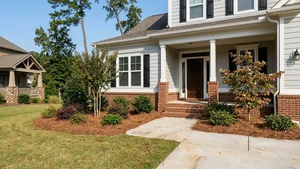
The U.S. Census Bureau estimated the population of Cumming, GA had reached 12,494 by July 2025 - a 70.7% increase since the 2020 Census. That's not a rounding error. It reflects a genuine, ongoing shift in how many people are choosing this Forsyth County city, and you can feel it in the traffic, the new construction, and the retail strips that seem to appear overnight. This rapid growth is a central factor for anyone buying a home in Cumming, GA.
If you're evaluating the area as a buyer, the short version is this: housing costs are real, the commute into Atlanta demands honest self-assessment, and the trade-offs are worth understanding before you fall in love with a floor plan.
Overview of the Cumming Area
Median household income estimates for the city range between $90,196 and $109,283, depending on which data source you're using. That spread isn't a mistake - different methodologies produce different figures, and both are cited in the sources. Either way, the number sits well above national baselines, and it shapes the kind of housing market and commercial environment you're walking into.
Properties here run the range from mid-sized single-family homes to larger estates that hold values north of $725,000. You'll find standard residential subdivisions alongside more upscale enclaves, sometimes on the same side of town.
Daily Life in the City
The suburban infrastructure is functional and expanding to keep pace with growth. That means ongoing commercial development along the main corridors - which is convenient when it's a new grocery store and less convenient when it's a construction detour on your morning route.
Traffic near major retail centers fluctuates more than it did five years ago. If you have a school drop-off or a regular errand route in mind, drive it at the time you'd be driving it.
Who the Area Suits Best
Atlanta professionals who've made peace with a longer commute in exchange for more space and suburban amenities are a consistent presence here. The housing variety - different sizes, styles, price points - accommodates a range of household configurations.
Older adults looking to downsize or move into structured care will find dedicated options. Senior living communities and assisted care facilities are represented in the local market, which makes this a practical target for that search rather than an afterthought.
Location and Commute Times
Cumming sits in Forsyth County, roughly 39 to 40 miles north of Atlanta. That puts it outside the immediate perimeter but squarely in the commuter belt, with GA-400 as the primary artery connecting it to the city. Public transit into Atlanta is limited, so if you're planning to rely on that, adjust your expectations before you start touring homes.
Forsyth County Boundaries
As the county seat of Forsyth County, Cumming handles local government and services for the broader area. The county borders Lake Lanier to the east and rural stretches to the north.
One thing buyers sometimes overlook: whether a specific property falls inside the city limits or in the unincorporated county matters. It affects your property tax rates and which municipal services you receive. Verify that before you get too far into a transaction.
Driving to Atlanta
Without traffic, the drive from Cumming to Atlanta runs about 43 minutes. That number is almost irrelevant if you're commuting on weekdays.
During rush hour - 6:30 to 9:00 AM and 3:30 to 7:00 PM - GA-400 regularly stretches that trip to 60 to 90 minutes or more. Do yourself a favor and test the actual drive during your actual travel window before you write an offer. A 45-minute commute and a 90-minute commute are different lives.
Housing Costs and Everyday Expenses
The median sale price of a home in Cumming, GA, was approximately $559,222 over the three months ending August 2026, reflecting a 5.4% year-over-year increase. The median price per square foot sits around $243, and homes are spending a median of 107 days on the market. With about 5.3 months of inventory, buyers have a window to think before they act - which hasn't always been the case in this part of metro Atlanta.
Real Estate Prices
Homes are selling for about 97.8% of list price on average, which means sellers are taking slight discounts. That said, roughly 7.6% of homes are still closing above asking, so it's not a soft market across the board - it depends on the property and the neighborhood. There were 92 active listings as of late summer 2026.
Work with someone who knows which pockets are moving fast and which have been sitting.
The Local Cost of Living Index
The overall cost of living in Cumming indexes at 107, meaning you're paying roughly 7% more than the national average. Housing is the main driver - that category alone indexes at 126 compared to the national baseline of 100. That gap is worth running through your budget in concrete dollar terms, not just as an abstract percentage.
Local Crime Rates and Statistics
FBI-based data from 2024 shows total crime in the city running about 48% below the national average. Violent crime tracks roughly 50% lower than national figures, and property crime sits about 48% below the national mark. Those are meaningful numbers for buyers who factor safety data into their decision.
Understanding the Crime Data
City-wide percentages are a starting point, not a conclusion. Individual subdivisions have their own profiles, and the aggregate can mask variation at the street level. Local law enforcement publishes regular updates that get you closer to what's happening in a specific area.
Visit any neighborhood you're seriously considering at different times of day. The data and your own observation together are more useful than either one alone.
Getting Around the Area
Most daily errands require a car. Pedestrian infrastructure exists within newer subdivisions, but it doesn't always connect to the broader city in any practical way. Sidewalks within a neighborhood don't automatically mean you can walk to anything useful.
Check the specific lighting and pedestrian access around any home you're considering. How close you are to main roads will determine whether walking to local amenities is realistic or theoretical.
Population Growth and Demographics
The U.S. Census Bureau put the city's population at 12,494 in its July 2025 estimates, up from 7,318 in the 2020 Census. That's a 70.7% increase in roughly five years - the kind of growth that doesn't just add residents, it reorganizes the local economy and the housing market around them.
City Population Numbers
Infrastructure is actively adapting to the increased load, which you'll see in the form of road projects, new construction, and expanding retail. The city is in the middle of a transition from smaller town to denser suburban hub, and that process is still underway.
Buyers who want a finished, settled environment should understand what they're buying into. Buyers who don't mind some active evolution will find more options.
Household Income Data
U.S. News reports the median household income at $109,283; City-Data puts it closer to $90,196. Both figures clear the national baseline by a significant margin. That income level sustains the premium housing market and draws commercial investment calibrated to these household budgets - which is part of why the retail and dining options here have been expanding.
Weighing the Pros and Cons
With 5.3 months of housing inventory, this is a relatively balanced market. You have time to evaluate, compare, and make a deliberate decision rather than writing offers blind. That's not nothing after the last few years. But the inventory level also means you should come in with clear priorities, because the right trade-off here is genuinely personal - what works for one buyer is a dealbreaker for another.
Benefits of the Area
The crime statistics are the most cited draw for buyers relocating here. A 48% reduction in total crime compared to the national average is a concrete, data-backed figure - not a vibe. The variety of housing options, from established communities to new builds, means you're not locked into one aesthetic or price tier. Proximity to Lake Lanier adds recreational access that doesn't require a long drive.
Drawbacks to Consider
The commute is the honest conversation you need to have with yourself before buying. Sixty to 90 minutes each way during rush hour is not a minor inconvenience - it's a daily time commitment that affects everything else. The cost of living at 7% above the national average, led by a housing index of 126, adds up in ways that aren't always obvious until you're running monthly budgets in real numbers rather than index points.
Recreation and Neighborhoods
The local real estate landscape includes a range of residential communities at different price points and with different characters. Upscale enclaves like Ashebrooke and Lakeview tend to hold values averaging over $725,000. Buyers will also find options in Chattahoochee River Club, Vickery, Longlake, Hampton Golf Village, and Cobblestone Farms - each offering different architectural styles and lot configurations.
Local Amenities
Lake Lanier sits just outside the city limits and provides boating and water activities that residents use. Dining and shopping along the main commercial corridors are expanding in step with the population, a mix of local restaurants and larger national chains.
Communities to Consider
Vickery and Chattahoochee River Club have distinct subdivision layouts, and their proximity to main roads varies in ways that matter to daily life. Before you get serious about either, look closely at the homeowner association rules and fees - those vary and they affect your ongoing costs and what you can do with the property.
Hampton Golf Village and Cobblestone Farms round out the planned community options. A local agent who knows these subdivisions can tell you quickly which one fits your commute pattern and how you want to live day to day.
Senior and Assisted Living Options
The local market includes housing options specifically structured for older adults - whether that's a single-level home in a master-planned community or a facility offering higher levels of daily support. The suburban layout and available medical facilities make this a workable choice for retirees who want to avoid the density of central Atlanta without feeling isolated.
Retiring in the Area
Single-level homes within the master-planned communities are a common target for retirees. They offer a quieter setting with less maintenance pressure than a larger estate. If you're working from a fixed income, run the 7% cost-of-living premium against your actual monthly budget - it applies to everyday expenses, not just housing.
Assisted Care Facilities
Several assisted living and senior care facilities operate in the area, offering varying tiers of medical and daily living support. Pricing structures and availability differ based on the level of care, and wait times can be a factor. Tour the facilities in person and ask specific questions about costs and capacity - that's the only way to make a real comparison.
Frequently Asked Questions
Is Cumming, GA a good place to live?
It offers a growing suburban environment with crime rates 48% below the national average. Buyers appreciate the variety of neighborhoods, though the longer commute to Atlanta is a factor to weigh honestly.
What is the cost of living in Cumming, GA?
The cost of living indexes at 107, meaning it runs about 7% higher than the national average. Housing costs are the main driver, indexing at 126.
What is the crime rate in Cumming, GA, and is it safe?
FBI-based data from 2024 shows total crime running about 48% below the national average. Violent crime is roughly 50% lower and property crime is about 48% lower than national baselines.
What county is Cumming, GA in and where is it located?
It's located in Forsyth County, approximately 39 to 40 miles north of Atlanta along the GA-400 corridor.
What is the population of Cumming, GA?
The U.S. Census Bureau estimates the population at 12,494 as of July 2025, a 70.7% increase from the 2020 Census figure of 7,318.
What are the pros and cons of living in Cumming, GA?
The main pros are lower statistical crime rates and a range of housing options. The primary cons are a cost of living above the national average and a rush-hour commute to Atlanta that regularly runs 60 to 90 minutes.
What are winters like in Cumming, GA?
Specific winter temperature data varies by year - reviewing regional climate reports for Forsyth County will give you the most reliable picture. The area generally sees the standard seasonal shifts typical of northern Georgia.
Is Cumming, GA a good place to live for families or retirees?
It's a draw for both groups, given the expanding local amenities and lower crime rates. Retirees specifically benefit from the dedicated senior living communities and assisted care facilities available in the area.
How does Cumming compare to other Atlanta suburbs like Johns Creek?
Many buyers evaluate the expanding retail and housing options in Forsyth County against neighboring cities. A direct comparison between Cumming and Johns Creek clarifies which area better fits your daily commute and budget. Both locations cater to professionals willing to trade a drive into Atlanta for suburban amenities.
Is Cumming a better fit than Dawsonville for my housing search?
The rapid population growth in Cumming means it offers a denser suburban environment than areas further out. A detailed comparison between Cumming and Dawsonville highlights the differences in local infrastructure and housing inventory. Your choice ultimately depends on whether you prefer an actively developing hub or a quieter setting.