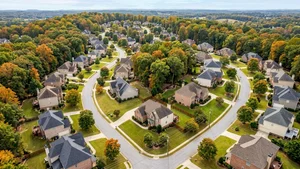
Alpharetta sits about 26 miles north of downtown Atlanta - far enough that it feels like its own place, close enough that Atlanta's job market is still very much in play. Right now there are about 331 homes available, the median sale price is around $785,000 as of mid-2026, and Fulton County buyers weighing the pros and cons of living in Alpharetta consistently put this city near the top of their list.
If you're relocating to the north Atlanta suburbs, you've probably already heard about the downtown district and Avalon. This guide gets into the specifics - housing costs, commute realities, and the day-to-day details that don't always make it into the listing descriptions.
Where Alpharetta, GA is Located
Alpharetta sits in northern Fulton County, part of the broader Atlanta metro. The city's downtown district has been the focal point of heavy commercial development over the past decade, and it shows.
Getting to Atlanta means Georgia State Route 400 heading south. The 26-to-27-mile drive runs about 30 minutes in light traffic. Rush hour is another story entirely.
Fulton County Jurisdiction
Living here means Fulton County handles your vehicle registration, local courts, and property assessments - and the county sends your property tax bill regardless of where in the city limits you land.
The public school system is Fulton County Schools. Within Alpharetta itself there are nine public schools, averaging an 8 out of 10 rating according to GreatSchools. If public schools aren't your direction, the city also has 18 private schools and one charter school.
Local ZIP Codes
Alpharetta spans four primary ZIP codes: 30004, 30005, 30009, and 30022. The 30009 ZIP code is the one you'll hear about most - it covers the downtown core and the Avalon development, which is where the walkable retail and dining concentration lives.
The 30004 and 30005 ZIP codes push into the northern and eastern parts of the city, where residential subdivisions take over. Knowing these boundaries makes a real difference when you're filtering online searches by housing type.
What It Is Like Living in Alpharetta, GA
Your commute tolerance and your budget will do most of the decision-making for you here. Alpharetta is built around a suburban framework, but it invests seriously in centralized, mixed-use retail spaces rather than scattered strip malls.
Outside of the downtown core, you're in a car-dependent environment for most errands. That's not a criticism - it's just accurate, and worth factoring against how you actually live day to day.
The Local Lifestyle
Most of the daily activity pulls toward the 30009 area, where retail, office space, and residential units are layered together. It's a setup that lets you grab dinner or run errands without fighting your way onto a highway. The city also maintains parks and green spaces tied together by paved trails - these host farmers markets, local events, and the usual weekend foot traffic year-round.
Pros and Cons of Relocating Here
The straightforward appeal is this: you get access to Atlanta's job market while living somewhere that doesn't feel like Atlanta. That combination is genuinely hard to find at this distance from a major city.
The honest downside is cost. Housing here runs well above what you'd pay in most of Georgia, and GA-400 southbound during peak hours requires real planning - not the kind you do once and forget about.
Cost of Living in Alpharetta, GA
Housing is the number that shapes everything else here. Both buying and renting sit above national averages, and that gap doesn't close when you look at the broader cost picture.
Day-to-day expenses - groceries, utilities, transportation - track closely with the rest of North Fulton County. Run the actual monthly numbers before you commit to a price point.
Home Prices and Property Taxes
As of May 2026, the median sale price for an Alpharetta home is approximately $785,000. Homes are averaging 24 days on market, 76 properties closed in May 2026 alone, and sellers are getting about 98.9% of their list price. That last number tells you how much negotiating room you're actually working with.
Property taxes come on top of that. Fulton County's General Fund property tax rate is 8.87 mills for 2025 - unchanged for the fourth consecutive year. Take that millage rate, apply it to your expected assessed value, and you'll have a realistic picture of your annual tax obligation.
Renting and Apartment Costs
Average rent across all bedroom counts and property types in Alpharetta runs about $2,700 per month as of August 2026. That's roughly 34% above the national baseline.
Most of the apartment inventory clusters near the major retail centers and along the GA-400 corridor - which works well if you're employed locally in retail or tech and want to keep the commute short.
Downtown Alpharetta and Local Amenities
The two anchors of commercial life here are Downtown Alpharetta and the Avalon development right next to it. Between them, they cover most of what you'd want for retail, dining, and entertainment without a trip into the city.
If you're doing a scouting trip before you move, staying in the 30009 ZIP code puts you walking distance from the central district. Use that time to actually test the morning drive and get a feel for the area before you're living it every day.
Dining and Shopping Options
Downtown has a real mix - independent restaurants alongside established retail brands - and Avalon functions as a large mixed-use development with outdoor shopping and varied dining options all in one place. For most evenings out, you don't need to go near Atlanta. The local commercial districts carry enough variety to hold up through regular use.
Scouting the Area Before You Move
A hotel near downtown gives you a ground-level read on morning traffic and evening noise - two things photos and floor plans can't tell you. Drive the GA-400 route to Atlanta during peak hours yourself. Don't just time it; experience it.
Spend time in the different ZIP codes too. The contrast between the 30009 core and the quieter residential subdivisions in 30004 and 30005 is significant enough that it should influence where you focus your search.
Frequently Asked Questions
What are the most popular neighborhoods in Alpharetta for top-rated schools and walkability?
It depends on your budget and what you're looking for in a home. The 30009 ZIP code gives you the best walkability to downtown and Avalon. Public schools across the city average an 8 out of 10 on GreatSchools.
How long is the typical commute from Alpharetta to downtown Atlanta or the airport?
The drive to downtown Atlanta is 26 to 27 miles - about 30 minutes without traffic. Rush hour can easily double that, so test it yourself before you decide where to live relative to your office.
How much should I expect to pay in Fulton County property taxes when buying a house in Alpharetta?
Your exact bill comes down to your home's assessed value. Fulton County applies a General Fund property tax rate of 8.87 mills for 2025. Multiply that rate by your assessed value to get your annual estimate.
How does buying a home in Alpharetta compare to neighboring Roswell or Johns Creek?
Alpharetta has a developed mixed-use downtown core - specifically the Avalon area - that sets it apart. Buyers who prioritize centralized retail and dining access tend to land here; buyers who want quieter, more purely residential surroundings sometimes look at neighboring towns instead.
What are the biggest downsides or hidden costs of relocating to Alpharetta?
The cost of housing is the main one - median sale prices around $785,000 and average rents at $2,700 per month aren't easy numbers to absorb. GA-400 traffic heading south toward Atlanta is the other factor that catches people off guard.
How competitive is the Alpharetta real estate market for out-of-state buyers right now?
It moves at a moderate pace. As of mid-2026, homes are spending a median of 24 days on the market, and there's about 4.4 months of inventory available - enough that you have real options, but not so much that you can afford to be slow.