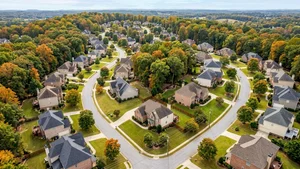
Located roughly 40 miles north of downtown Atlanta, Forsyth County, GA, has transformed from a rural outpost into one of the most populated suburban corridors in the metro area. The county offers a mix of master-planned developments, retail centers, and outdoor spaces along the shores of Lake Lanier. Buyers looking at moving to Forsyth County, GA, will find a distinct split between the dense, commercialized southern half bordering Alpharetta, GA, and the more open, developing northern half.
Understanding these local boundaries helps narrow down the right location for your daily routine. The area continues to attract new residents seeking a balance between suburban conveniences and proximity to major employment hubs. Deciding where to look requires a clear understanding of local home prices, commute times, and municipal boundaries.
What Draws Buyers to Forsyth County, GA
Population growth in this area continues to drive housing demand year after year. The southern edge of the county sits right against the Fulton County line, giving residents fast access to the corporate campuses and tech hubs of Alpharetta, GA. Many buyers focus their search here to keep their daily driving distances manageable.
Further north, the landscape opens up into larger lot sizes and agricultural patches. This transition from dense suburb to rural acreage allows buyers to choose their preferred level of space without leaving the county limits. Development continues to push upward, bringing new roads and infrastructure to previously isolated areas.
The presence of Lake Lanier forms the entire eastern border of the county. Waterfront access and shoreline properties add a recreational layer to the local housing market that landlocked suburbs lack. Marinas and public parks dot the coastline, providing direct access to the water for residents across the region.
Current Real Estate Prices and Property Types
The median home price in Forsyth County, GA, ranges from $620,000 to $675,000 as of mid-2026. Homes typically stay on the market for 35 to 45 days before going under contract. Buyers should secure pre-approval early to act quickly when a property matching their criteria appears on the MLS.
South Forsyth features dense, master-planned neighborhoods with extensive homeowner association amenities. Buyers here frequently find brick-front traditional homes and large contemporary builds on quarter-acre lots. These communities often include private swimming pools, tennis courts, and neighborhood clubhouses.
Moving toward North Forsyth, new construction communities offer modern farmhouses and craftsman-style homes. Buyers looking for custom builds or properties with fewer deed restrictions should focus their search north of Cumming, GA. Builders continue to clear land in this sector, providing options for those who prefer brand-new construction.
Lake Lanier introduces a separate tier of real estate entirely. Lakefront homes with private docks command premium prices, often exceeding the $1 million mark depending on water depth and cove location. Buyers looking at lake property should verify the Army Corps of Engineers regulations regarding dock permits before making an offer.
Property Taxes and Daily Living Costs
The total combined millage rate for the area is approximately 24.522 mills. This breaks down to 7.896 mills for the county government and 16.626 mills for the local school district. These figures determine the baseline for your annual property tax bill.
These rates generally keep property tax bills lower than those in neighboring Fulton County or Gwinnett County. Buyers should calculate their estimated annual taxes based on the full assessed value of their target property. Relying on the previous owner's tax bill can lead to surprises after the county reassesses the home upon sale.
Homeowners can lower their tax burden through standard homestead exemptions. Residents age 65 and older qualify for a complete exemption from the school tax portion of their bill on their primary residence. Buyers must file for these exemptions by the county deadline during their first full year of ownership.
The Public Education System
The Forsyth County Schools district operates 42 total campuses across the area. This includes 23 elementary schools, 11 middle schools, and 8 high schools serving local residents. The district employs thousands of teachers and staff members to manage the growing student population.
Attendance zones determine exactly which schools a specific street or subdivision feeds into. Buyers with specific educational preferences should verify the current district maps before making an offer on a house. District boundaries occasionally shift to accommodate new construction and population changes.
STEM integration: Many campuses incorporate science, technology, engineering, and math programming into their daily curriculum.
Advanced Placement: High schools across the district offer extensive AP course catalogs for college credit preparation.
Specialized campuses: The Alliance Academy for Innovation provides career-focused pathways in areas like healthcare, mechatronics, and aerospace.
Traffic Patterns and Drive Times
Commuting from Cumming, GA, to neighboring Alpharetta takes about 20 to 35 minutes on an average weekday. The primary artery for this trip is the GA-400 corridor, which runs straight down the middle of the county. Traffic volume builds steadily as drivers head south toward the perimeter.
Drivers heading all the way into Midtown or Downtown Atlanta face a longer trip. A morning commute between 6:30 AM and 9:00 AM generally takes 60 to 90 minutes. Evening return trips often mirror these times, especially on Thursdays and Fridays.
Ongoing road work and intersection expansions along GA-400 impact daily travel times. Buyers should test their exact commute during rush hour to understand the reality of the drive. Mapping an address on a Sunday afternoon will not provide an accurate picture of weekday traffic.
Public transit options within the county remain limited. Commuters looking for rail access drive south into Fulton County to park at the North Springs MARTA station. Express bus routes also operate from park-and-ride lots along the highway.
Outdoor Recreation and Retail Centers
Residents have direct access to over 30,000 acres of water at Lake Lanier. The county maintains multiple public boat ramps, swimming beaches, and day-use parks along the western shoreline. Marinas offer dry storage and wet slips for boat owners who prefer not to trailer their vessels.
Beyond the water, the area features a growing network of paved trails and preserved green spaces. Commercial development has kept pace with residential growth, bringing major retail and dining hubs closer to local neighborhoods. You no longer have to drive into Atlanta for high-end shopping or specialized healthcare at facilities like Northside Hospital Forsyth.
Big Creek Greenway: This multi-use concrete trail spans miles through the woods, accommodating cyclists, runners, and walkers.
Sawnee Mountain Preserve: Hikers can climb the trails to the Indian Seats rock formation for clear elevation views of the North Georgia mountains.
Shopping and Dining: The Collection at Forsyth, Halcyon, and the Cumming City Center provide outdoor retail spaces, local restaurants, and community event venues.
Frequently Asked Questions About Moving to Forsyth County, GA
How much are property taxes in Forsyth County, GA?
The current combined property tax rate sits at approximately 24.522 mills for 2026. Your exact bill depends on your home's assessed value and whether you qualify for any homestead or senior exemptions.
How long is the commute from Cumming to Atlanta?
Expect to spend 60 to 90 minutes in the car if you drive down GA-400 during the morning rush hour. Taking the commuter bus or driving down to the North Springs MARTA station can alter this timeline depending on your final destination in the city.
Does Forsyth County have good schools?
The local public district includes 42 total campuses, including 8 high schools. Students have access to specialized programs like the Alliance Academy for Innovation and broad Advanced Placement course offerings.