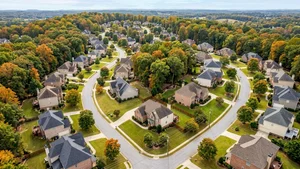
Forsyth County routinely ranks among the highest-earning areas in Georgia, with a median household income often exceeding $140,000. This northern suburb of Atlanta has transformed from a rural outpost into a major destination for homebuyers wanting space and modern infrastructure.
Evaluating the cost of living in Forsyth County, GA comes down to balancing higher housing costs against relatively low utility rates and county property taxes. Buyers should look beyond the sticker price of a house to understand the full monthly carrying cost.
How Forsyth County Compares to the State and National Average
The median household income in Forsyth County sits well above the national average, reflecting a local workforce driven by healthcare, technology, and corporate operations. While everyday expenses like groceries mirror the broader Metro Atlanta area, the cost of housing pushes the overall expense level higher than the state average.
Cumming, GA serves as the civic and commercial center of the county. Residents rely on this central hub for local government services, healthcare facilities, and access to major retail corridors. The Cumming City Center provides a gathering space with local dining and entertainment options.
When you compare cost of living metrics across the region, this county stands out for offering substantial infrastructure relative to its tax base. Understanding these numbers helps buyers set a realistic budget before looking at properties.
Buying a Home and Paying Local Taxes
The median home sale price in Forsyth County currently ranges from $641,000 to $674,000. Housing prices reflect steady demand, limited land for new large-scale subdivisions, and a high concentration of larger single-family homes. Buyers should prepare for a competitive real estate market, especially for properties priced under the median.
Renters face a median monthly rent of around $2,175. While apartment complexes and townhomes provide rental options near major highways, the area remains primarily composed of owner-occupied housing.
Local property taxes are a major factor in the overall cost of housing. The effective property tax rate ranges from 0.78% to 1.18%, depending on the exact municipality and exemptions. An average annual tax bill often lands near $3,982, which is favorable compared to many other high-income counties in the country.
Monthly Utility Bills, Groceries, and Commuting
Beyond housing, daily utility and transit expenses shape the overall cost of living in Forsyth County, GA. Utility rates tend to be lower than the national average, providing some relief against higher mortgage payments.
Most residents receive power from Sawnee EMC, a local cooperative. The average electricity rate sits around 13.86 cents per kilowatt-hour, keeping cooling costs manageable during long Georgia summers.
Other monthly expenses follow regional trends:
Water and Sewer: The county water system charges a base rate of $18.29 per month for residential meters. Usage fees scale based on the thousands of gallons consumed.
Groceries: Food costs align closely with the rest of Metro Atlanta. Regional chains like Publix and Kroger anchor most shopping plazas.
Transit: The primary commuting route is GA-400, connecting residents directly to Atlanta. Drivers should factor in fuel and maintenance for daily round trips that can exceed an hour each way.
Local Job Market and School District Data
Major employers in healthcare, manufacturing, and technology provide robust job opportunities within the county lines. Northside Hospital Forsyth remains a massive economic driver, employing thousands of local residents. The local economy directly influences the median household income, keeping wages competitive.
Many workers also commute to tech hubs in Alpharetta or corporate offices in downtown Atlanta. This blend of local industry and proximity to major employment centers keeps the unemployment rate low.
Forsyth County Schools currently enrolls over 54,000 students across dozens of campuses. The district is one of the largest in Georgia and a primary reason many buyers target this specific area. Funding from local property taxes supports ongoing construction of new facilities to handle steady population growth.
Parks, Shopping, and Outdoor Recreation
Forsyth County maintains an extensive network of parks, athletic fields, and nature preserves funded by local tax dollars. To the north, Lake Lanier provides widespread opportunities for boating, fishing, and outdoor recreation.
The Big Creek Greenway offers miles of paved trails for walking and cycling, connecting several distinct neighborhoods. Residents use these trails for daily exercise and alternative transit between parks.
Retail and dining hubs have expanded rapidly along the GA-400 corridor. Developments like Halcyon and The Collection at Forsyth offer walkable outdoor shopping, restaurants, and entertainment venues without requiring a drive into Atlanta.
Frequently Asked Questions
Is Forsyth County, GA expensive?
Housing costs sit well above the state average, making the barrier to entry higher than in rural Georgia. However, residents benefit from lower-than-average utility rates and property tax structures that help balance the monthly budget.
What salary do you need to live comfortably in Forsyth County?
With median home prices surpassing $640,000, a household income of at least $130,000 is generally recommended to cover a mortgage, taxes, and daily expenses. The median household income here already exceeds $140,000, reflecting the local wage landscape.
How do property taxes here compare to Fulton County?
Forsyth County generally offers a lower effective property tax rate than neighboring Fulton County. Buyers often find that a similarly priced home in Cumming, GA yields a lower annual tax bill than it would in Atlanta or Roswell.