Lake Lanier is a major reservoir in North Georgia - a primary recreation hub and residential exurb for the Atlanta metro area. Because the lake spans multiple counties, including Hall and Forsyth, calculating exact living expenses for anyone living on Lake Lanier, GA means looking at the specific municipalities surrounding the water, not the lake itself.
The true cost of living here depends on one thing above all else: whether your property sits directly on the shoreline or in a nearby off-lake neighborhood. Waterfront homes with private docks command a massive premium. The surrounding towns? More standard suburban pricing.
Living Costs Around Lake Lanier at a Glance
There's no single cost-of-living index for Lake Lanier because it's a body of water shared by several jurisdictions. The most accurate baseline comes from nearby Gainesville in Hall County.
Data for the Gainesville area puts general costs slightly below the U.S. average - which sounds reassuring until you look at utility bills. Certain monthly expenses run higher than most people expect when they're shopping this part of North Georgia.
Comparing the Local Index to State Averages
Utilities are the outlier. In the Gainesville area, they run about 20% higher than the average for Georgia cities - driven largely by local electric rates. If you're relocating from elsewhere in the state, don't budget for what you're paying now. Budget higher, especially heading into summer.
The Short Answer on Affordability
Living a few miles inland in a standard subdivision is genuinely affordable compared to most major metros. Buying a home with deep water access and a private dock puts you in a different conversation entirely. The lakefront lifestyle carries a high price tag. The surrounding communities don't.
Housing Costs on and off the Water
Housing is the biggest line item, and the Lake Lanier area is two separate markets wearing the same zip code.
The broader Gainesville region recently saw a median sale price of approximately $392,240, with homes spending about 76 days on the market. Move directly to the water, and those numbers change drastically - the overall median price across all lake properties sits at approximately $955,000 for 2026.
Median Home Prices and Dock Access
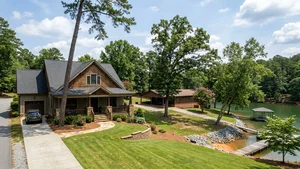
Waterfront pricing correlates directly with dock access. Homes with private docks average around $1,150,000. Entry-level homes that use a shared dock start between $550,000 and $850,000. The difference isn't just cosmetic - it reflects how the Army Corps of Engineers controls dock permits, and how few private docks exist.
For the broader off-water market, inventory remains relatively steady. Gainesville currently has about 273 homes for sale, representing a 5.5-month supply, and sellers are getting about 97.1% of their list price.
Renting Near the Lake
Renting is a reasonable way to test the area before you commit to buying. In the small Lake Lanier neighborhood sector of Gainesville, housing costs come to a median of $1,362 per month, with tenants specifically paying a median gross rent of about $1,371. It's a far more accessible entry point than purchasing a waterfront estate.
Everyday Expenses: Utilities, Gas, and Childcare
Your mortgage or rent payment is only part of the picture. The North Georgia region has specific pricing patterns for power, fuel, and daily services that matter when you're building a real budget.
Lake Lanier is an exurb. Residents frequently drive long distances for work or entertainment, which means transportation and utility costs carry more weight here than they might in a denser market.
Utility Rates and Groceries
In nearby Gainesville, average monthly utility costs are about $300 - based on using 1,000 kWh of electricity and 5,000 gallons of water, plus standard sewer and trash fees. As noted above, that's roughly 20% higher than the Georgia city average. For a larger lakefront home that requires more energy to heat and cool, factor accordingly.
Commuting and Gas Prices
Gas prices in the Gainesville area generally align with the rest of the state. As of late September 2026, fuel costs around $4.04 per gallon locally, which is just under the Georgia state average of $4.09. If you're commuting into Atlanta or simply driving around the extensive lake perimeter regularly, run your monthly mileage numbers before you buy.
Childcare Estimates
Childcare costs vary by provider and exact location around the lake. A general sample budget for the Gainesville area estimates childcare and school costs at roughly $890 per month for a family of four.
Sales and Property Taxes Around the Lake
Tax burdens vary depending on which side of Lake Lanier you settle on. The reservoir touches multiple counties, with Hall and Forsyth being the primary jurisdictions for residential real estate. Each county sets its own millage rates and assesses property values differently. If you're looking at homes near a county line, verify the specific tax district before you make an offer.
County Sales Tax Rates
Hall County's total sales tax rate is about 7%, which applies to most retail goods and services purchased in Gainesville and the surrounding lake towns - on top of the state baseline.
Property Taxes in Hall County
Property taxes here are relatively moderate compared to the national picture. In Gainesville, the average effective property tax rate is about 0.84%, which sits slightly below the overall Georgia state average effective rate of 0.91%. Buyers purchasing high-value waterfront homes will still see large tax bills - the rate is lower, but it's applied to a much bigger number.
Income Expectations Around the Lake
Earning potential in the Lake Lanier area reflects a mix of local service economies and high-earning remote workers or Atlanta commuters. The data shows a wide range of household incomes depending on the specific neighborhood, and because the lake attracts both full-time residents and vacation homeowners, income statistics can sometimes skew based on whether a home is a primary residence.
Median and Average Incomes
A broader profile of the Lake Lanier area cites an average individual income of roughly $66,386. Localized data tells a different story for specific enclaves - in one small Lake Lanier neighborhood located within Gainesville, the median household income is reported at $97,413 per year.
What Drives Lake Lanier Real Estate Prices
The gap between the $392,240 Gainesville median and the $955,000 lakefront median comes down to one word: scarcity. There is a finite amount of shoreline, and the U.S. Army Corps of Engineers controls dock permits. Homes with existing, approved private docks hold their value - and command top dollar - because new permits aren't easy to come by.
The Lakefront Premium
Proximity to water is the single biggest factor in local pricing. A house located just a mile inland might sell for half the price of a similar structure sitting on deep water. And within the waterfront tier, dock type matters: a private dock adds hundreds of thousands of dollars in value compared to a home that only offers access to a shared community dock.
Wealth and Luxury Estates
Certain pockets of Lake Lanier are known for luxury waterfront estates. Forsyth County, in particular, features high-end homes that drive up the overall median prices for the lake - attracting buyers looking for premium recreation properties within a reasonable drive of the Atlanta metro.
Comparing Lake Lanier Costs to the Broader Metro
Most buyers weighing this area are trading shorter commute times for water recreation and more space. That's an honest trade-off, and it's worth understanding before you start touring homes.
Within the lake region itself, costs fluctuate meaningfully from one county to the next.
Estimating Your Monthly Budget
Start by combining the local median housing payment with the $300 utility average and typical grocery bills. A home purchased at the $392,240 Gainesville median requires a vastly different monthly budget than a $1.15 million private-dock property - and don't forget to factor in the 0.84% effective property tax rate in Hall County when calculating your projected escrow payments.
Hall County vs. Forsyth County Prices
Hall County offers a meaningful affordability advantage on the lake. The median lakefront listing price there is around $475,000. Forsyth County commands the highest prices on the lake, with a median around $668,000 - driven by top-rated school districts and a concentration of luxury waterfront estates.
Pros and Cons of Living in the Lake Lanier Area
Relocating to this part of North Georgia means buying into a specific lifestyle centered on outdoor recreation. It also means accepting some trade-offs that don't show up in the listing photos.
Buyers who commute into the city regularly should weigh those realities carefully before committing to a property.
Lifestyle and Recreation
The primary draw is immediate access to boating, fishing, and water sports - a resort-like atmosphere during the summer months. The downside is that the lake gets extremely busy during peak season. Local traffic swells on summer weekends as visitors travel up from Atlanta, and that's not a minor inconvenience.
Commute and Infrastructure
Roads wind around the extensive shoreline, so getting from one part of the lake to another takes longer than a map might suggest. Commuting into Atlanta is possible, but it requires a genuine time commitment. Test the drive during morning and evening rush hours before you buy - not on a Tuesday afternoon.
Frequently Asked Questions
Is it expensive to live in Lake Lanier, GA?
It depends on where you buy. General living costs in nearby Gainesville sit slightly below the U.S. average, and the median home price there is roughly $392,240. Purchasing a waterfront home is a different story - the overall median across all lake properties is $955,000.
What salary do you need to live comfortably in Lake Lanier, GA?
It depends on your housing choice. The average individual income in the broader Lake Lanier area is about $66,386, while one specific Gainesville lake neighborhood reports a median household income of $97,413. To comfortably afford the $1.15 million median price of a private-dock home, you'll need a meaningfully higher income than either of those figures.
Why is Lake Lanier so expensive?
Limited shoreline and strict dock regulations are the core drivers. Homes with private docks average $1,150,000 because there simply aren't many of them, and getting a new dock permit through the U.S. Army Corps of Engineers isn't straightforward. Forsyth County's concentration of luxury estates also pushes local medians higher.
Is Lake Lanier, GA a good place to live?
For people who enjoy boating and the outdoors, it's a strong fit. You'll want to think honestly about summer tourist traffic and the commute time to Atlanta before deciding whether the day-to-day reality works for you.
How does the cost of living in Lake Lanier compare to Atlanta?
Everyday costs like groceries and gas ($4.04 per gallon locally) are comparable, but utilities in the Gainesville area run about 20% higher than the average Georgia city. Housing is the main differentiator - you get both affordable off-water options and multi-million dollar luxury lakefront estates, depending on what you're after.
How much are property taxes for homes on Lake Lanier, GA?
In Hall County, the average effective property tax rate is about 0.84%, which is slightly below the overall Georgia state average of 0.91%. A reliable, current figure specifically for Forsyth County was not found in recent local data, so buyers should check exact rates with the county assessor.
How does Lake Lanier compare to Lake Allatoona?
Both reservoirs serve as popular recreation hubs and residential exurbs for the Atlanta metro area. Buyers weighing a choice between Lake Lanier, GA vs Lake Allatoona should remember that Lanier features strict dock regulations and heavy tourist traffic during the summer months.
How does Lake Lanier differ from Lake Hartwell?
Pricing on Lake Lanier is driven by its finite amount of shoreline and relatively short commute times into Atlanta. Anyone evaluating Lake Lanier vs Lake Hartwell will find that Lanier properties carry a massive premium for deep water access and approved private docks.