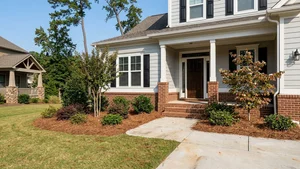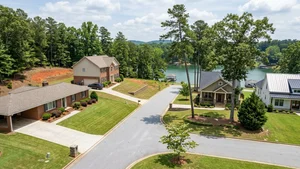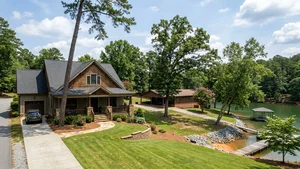
Lake Lanier has 692 miles of shoreline and covers nearly 38,000 acres - one of Georgia's largest lakes, and a legitimate draw for buyers who want water outside their back door. This is not a small neighborhood pond situation. It's a massive reservoir sitting north of Atlanta, and buying a home in Lake Lanier, GA is genuinely different from shopping anywhere else in the region.
The area spans several counties, and that detail matters more than most buyers realize at first. Deciding whether to move to Lake Lanier comes down to three things: housing costs, how much commuting you can tolerate, and what it takes to maintain a waterfront home.
Weighing the Pros and Cons of Lake Lanier, GA
The central tension for most buyers is simple - direct water access is real and immediate, and so is the price tag. The median across all Lake Lanier lake properties sits at approximately $955,000 as of 2026. That's not a typo, and it's not the ceiling.
What you're evaluating is how your daily routine fits the geography. The lake offers a mix of genuinely secluded shoreline living and growing suburban centers, and those two things don't always coexist as smoothly as the listing photos suggest.
Benefits of the Lake Lifestyle
Residents have direct access to a 38,000-acre reservoir. The region has numerous marinas, public parks, and recreational facilities along the water - and those aren't just amenities on a brochure. For people who use the water, this is the point.
Drawbacks to Consider
Cost and commute are the two things that knock buyers out of this market. Lakefront homes with docks had a median sales price of $1,099,000 in late 2025, and getting into Atlanta means sitting through heavy regional traffic. Neither of those facts softens with time.
Daily Life and Commute Factors
Living further north in Dawson or Lumpkin counties adds meaningful time to an Atlanta commute. If you're seriously considering a property, drive it yourself during rush hour - not on a Saturday morning, not on your phone's map app, but in real traffic on a Tuesday.
Location and Geography of Lake Lanier, GA
Lake Lanier is a reservoir in northern Georgia, not an incorporated town. There's no single city hall, no one ZIP code, no unified local government. The water runs through multiple municipalities, and buying here means you're buying into one of several different jurisdictions - each with its own zoning rules, tax rates, and local services.
That's not a problem. It's just something you need to understand before you fall in love with a specific dock.
Surrounding Counties
The lake spans five primary counties: Hall, Forsyth, Gwinnett, Dawson, and Lumpkin. Hall and Forsyth contain the largest portions of the shoreline and the highest concentration of residents - so most buyers end up focused there first.
Size and Scope of the Reservoir
Covering nearly 38,000 acres, the lake provides a massive footprint for recreation. The 692 miles of shoreline include a mix of public parks, commercial marinas, and private residential docks, and that variety is part of what makes the market so spread out and hard to generalize.
Crime Statistics for the Lake Lanier Area
Because Lake Lanier covers multiple jurisdictions, crime data is recorded by individual county sheriff's offices rather than a single lake authority. There's no single number that captures "Lake Lanier crime" - you have to look county by county.
The Forsyth County Sheriff's Office 2025 Annual Report showed 2 murders and 28 rapes reported countywide. In neighboring Hall County, 2024 data from the Georgia Bureau of Investigation showed 3,108 total reported crimes, down from 3,497 the previous year.
Recent County Data
CrimeGrade data places Hall County's total crime rate at 23.34 per 1,000 residents in a typical year. Forsyth County reported a violent crime rate of 1.418 per 1,000 residents. Both counties have seen fluctuations, but recent annual reports show general declines in major crime categories.
How to Research Local Reports
Look up specific addresses using the local police department's crime mapping tools. The Hall, Forsyth, and Gwinnett county sheriff websites all publish incident logs for their respective jurisdictions. The FBI's Uniform Crime Reporting system also gives you historical context if you want to see how the numbers have moved over time.
Housing Costs and Affordability Around the Lake
Whether a property has direct water access is the single biggest pricing variable here. The median owner-occupied home value in the broader Hall County area is $350,400, according to the Census Bureau. Get on the water and that number changes entirely.
Market data from the North Georgia Group reported a median home price of approximately $955,000 across all Lake Lanier lake properties in 2026. These are two different markets sharing the same county lines.
Median Home Prices and Real Estate Trends
The Gainesville, GA area shows a median sale price of roughly $392,240, with homes spending about 76 days on the market before selling and an average sale-to-list ratio of 97.11%. That's the broader market.
For premium waterfront, the numbers look very different. In late 2025, the median list price for lakefront homes with docks reached $1,198,000, with average sales prices around $1,228,000. Buyers sometimes come in expecting to negotiate substantially off list on these properties. The data doesn't support that assumption.
Everyday Expenses and Incomes
The purchase price is one line item. You also need to budget for property taxes, dock maintenance fees, and utility costs - none of which are trivial on a lakefront property. The U.S. Census Bureau reports a median household income of $80,901 for Hall County, which puts the waterfront market well out of reach for most local earners and keeps this a second-home and relocation market to a meaningful degree.
Population and Community Basics
The communities surrounding Lake Lanier have grown steadily as buyers look for space outside the Atlanta perimeter. Hall County has an estimated 2025 population of 226,568, while Forsyth County has approximately 282,805 residents. Those figures cover the broader counties, not just the waterfront - so don't read them as a reflection of how crowded the shoreline feels.
The area includes both full-time residents and seasonal vacationers, and that mix shapes everything from restaurant hours to HOA attitudes about boat traffic.
Population Counts and Growth
The Census Bureau notes that Hall County has a median age of 38.4. Some specific waterfront neighborhoods report a slightly older demographic, with a median age around 44. Neither number is surprising given what it costs to buy in.
Civic Life and Amenities
Residents have access to county-run facilities including public boat ramps and community centers. The surrounding towns function as commercial hubs - grocery stores, local dining, the practical infrastructure of daily life. It's not remote, but it's also not walkable.
Climate, Weather, and Outdoor Recreation
Northern Georgia has all four seasons: hot, humid summers, mild winters, and a spring that brings enough rain to matter. The lake plays a real role in local weather patterns and daily life, and the water levels fluctuate in ways that affect property owners directly.
These changes are a normal part of living on a reservoir. The buyers who struggle with them are usually the ones who didn't expect them.
Managing Lake Levels and Weather
During drought periods, the shoreline can recede substantially - enough to leave private docks sitting in shallow water. Heavy spring rains can push the lake to full pool or higher. If you're buying shoreline property, you'll be watching those levels regularly. That's just the reality.
Marinas and Parks
The 38,000-acre lake has commercial marinas throughout, offering boat storage, fuel docks, and maintenance services. Public access points provide beaches, picnic areas, and campgrounds for residents who don't live directly on the water - which is the majority of people in these counties.
Comparing Lake Lanier to Atlanta
These are genuinely different ways to live, not just different zip codes. Atlanta has dense neighborhoods, high-rise condos, historic bungalows, and public transit. Lake Lanier is car-dependent and spread out, dominated by single-family homes ranging from modest inland properties to multi-million-dollar waterfront estates with private docks.
The choice isn't about which is better. It's about which one matches your daily life.
Commute and Traffic Differences
From the southern edge of Lake Lanier to downtown Atlanta during peak rush hour, you're looking at a commute that can easily exceed an hour and a half. Atlanta residents have access to closer employment centers and transit options. That gap doesn't disappear because you love the water.
Housing Style Tradeoffs
Atlanta's market spans high-rise condos, historic bungalows, and dense townhome developments. The Lake Lanier market is almost entirely single-family homes. The variety within that category is enormous - price point, lot size, water access - but if you need urban housing types, you're looking in the wrong place.
Local Amenities and School Districts
The counties surrounding the lake manage their own public services, and the boundary lines weave around the water in ways that aren't always intuitive. The eastern side of the lake is primarily served by Hall County, while the western side falls under Forsyth County jurisdiction. Verify which county a specific property sits in before you get attached to it.
Hall County Schools and Forsyth County Schools are the primary public school districts serving the region. The reputation of the Forsyth County school district is frequently cited as a driver of the waterfront price premium on that side of the lake - so if schools are a factor in your decision, the county line matters even more.
Dining and Entertainment
Waterfront dining is a real part of life here, with several restaurants accessible by both car and boat. For more extensive shopping and nightlife, most residents drive into nearby hubs like Gainesville. It's not a hardship, but it's worth knowing before you assume you'll have everything within a five-minute drive.
Frequently Asked Questions
Is Lake Lanier, GA a good place to live?
For buyers who want waterfront recreation and a suburban environment, yes. It offers 692 miles of shoreline and plenty of marinas, but factor in the high cost of lakefront real estate and a longer commute to Atlanta before you decide.
What are the cons of living in Lake Lanier?
The main drawbacks are the high cost of waterfront homes, which averaged over $1.2 million in late 2025, fluctuating lake levels, and heavy traffic on commuter routes into Atlanta.
Is Lake Lanier expensive to live in?
It depends on the property type. The broader Hall County median home value is $350,400, but homes directly on the lake carry a significant premium - with a median price of approximately $955,000 across all lake properties.
What do the crime statistics show for Lake Lanier, GA?
Forsyth County reported 2 murders and 28 rapes countywide in its 2025 Annual Report. Hall County reported 3,108 total crimes in 2024, a decline from the previous year, with a total crime rate of 23.34 per 1,000 residents according to CrimeGrade.
Is Lake Lanier or Atlanta a better fit to live in?
It depends on your daily routine. Lake Lanier offers single-family homes, boating, and a car-dependent suburban lifestyle, while Atlanta provides dense housing, shorter urban commutes, and public transit access.
Which Georgia counties should I search in if I want to buy a house on Lake Lanier?
Focus your search on Hall, Forsyth, Gwinnett, Dawson, and Lumpkin counties. Hall and Forsyth contain the largest sections of the shoreline and the highest population numbers.
Are there good senior and assisted living options around Lake Lanier?
The broader Lake Lanier area includes various housing types across Hall and Forsyth counties. If you're looking for specialized senior living, research the specific facilities available in the county you're planning to move to - the options vary by jurisdiction.