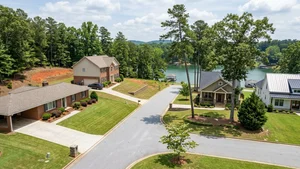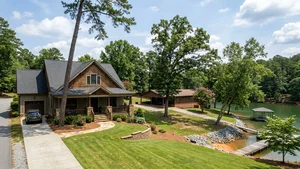
Lake Lanier sits at an elevation of 1,071 feet during the summer pool, creating a distinct microclimate just north of Atlanta. If you're looking at waterfront property and considering living on Lake Lanier, GA, the first question most buyers ask me is how the weather will affect their boating season - and their day-to-day life.
The area runs through a full four-season cycle, though the transitions are considerably milder than what you'd see in northern states. The weather patterns in Lake Lanier, GA, influence everything from home maintenance schedules to the least miserable time to schedule a moving truck.
Lake Lanier Climate at a Glance
The region falls under the Köppen climate classification Cfa - humid subtropical. That designation means warm-to-hot, humid summers and mild-to-cool winters, which is about as accurate a description as climate classifications ever get.
Gainesville, GA, the principal city on the lake, is the primary data point for these conditions. You can count on plenty of sunshine mixed with regular rainfall, which is why Hall and Forsyth counties stay green year-round even without irrigation.
Understanding the Subtropical Climate Zone
Living in a humid subtropical zone means humidity is a constant factor through all the warm months, rather than a brief summer inconvenience. Summer relative humidity typically runs between 66% and 71% in June and July. Some climate normals push that feeling even higher, into the 73% to 78% range during peak warm spells.
Plan for solid air conditioning and climate-controlled storage for anything sensitive to moisture. That's not optional here.
Lake Lanier Weather Year Round: Season by Season
July is the hottest month on the lake and the height of boating season. January is the coldest, when docks and watercraft need winterizing. The seasons in between - spring and fall - are genuinely pleasant, with lower humidity and moderate temperatures that make outdoor projects and weekend time on the water far more enjoyable.
Summer on the Water
Summer at Lake Lanier means high heat and afternoon thunderstorms that show up almost on a schedule. They're usually brief - heavy downpours that clear out within the hour - but you plan around them. The lake's surface elevation of 1,071 feet offers only a slight cooling effect compared to downtown Atlanta's heat. Homes with good ventilation and shaded outdoor living spaces prove essential in this climate; they earn their value every July.
Winter Months
January lows drop to around 33.4°F, and the lake's surface elevation falls slightly to 1,070 feet during the winter pool. Freezing temperatures are mostly an overnight concern, which means exposed pipes and plumbing need proper insulation. Daytime highs usually recover into the upper 40s to low 50s, so year-round outdoor access is realistic - you just need to dress for it.
Spring and Fall Transitions
April highs average around 70.7°F, which is why spring is one of the busiest times for buyers touring homes. The landscape is in full bloom and the weather cooperates. Fall is equally good - October averages a high of 71.2°F, the humidity drops off, and the air gets crisp. If you have exterior renovations planned or you're timing a move, late autumn is hard to beat.
Average Temperatures by Month in Lake Lanier
The swing from the coldest winter nights to the hottest summer days spans roughly 40 degrees. Month-by-month climate data gives you a realistic picture of what utility bills and outdoor activities will look like. Gainesville climate data is the reliable baseline for the whole lake region, with the coldest nights clustering in January and February and the peak heat landing squarely in July.
Monthly Highs and Lows
January averages a high of 48.6°F and a low of 33.4°F. February warms to 53.2°F with lows around 37°F. From there, spring climbs steadily: March reaches 61.2°F with a low of 43°F, April hits 70.7°F with a low of 50.5°F, and May jumps to 78.4°F with lows near 58.3°F.
Summer is straightforward - June comes in at 86.4°F with lows of 65.3°F, July peaks at 88.9°F and 68.5°F, and August holds at highs around 87.6°F and lows near 68°F.
The back half of the year eases off gradually. September drops to 82.8°F, October settles at 71.2°F, November cools to 59.4°F, and December closes the year with an average high of 52.5°F.
Rain, Snow, and Humidity in Lake Lanier, GA
Annual rainfall in the Gainesville area averages about 55.6 inches. That's enough to keep the reservoir filled and maintain the dense tree canopy around the shoreline that makes lakefront property here feel as private as it does. Rain is spread fairly evenly across the year, though summer thunderstorms and winter frontal systems deliver the heaviest single-event amounts. If you're moving from somewhere dry, budget for rain gear and take property drainage seriously when you're evaluating lots.
Precipitation and Snowfall
Snow averages about 1.6 inches per year, mostly in January and December. Because it's so infrequent, local municipalities don't maintain large fleets of snow-clearing equipment. A light dusting - the kind that would barely register somewhere like Cleveland - can cause real traffic delays on the winding roads around the lake. Don't let that catch you off guard.
Severe Weather and Natural Hazards
The Lake Lanier and Hall County area sees periodic severe weather, mainly from spring and summer thunderstorm systems capable of producing damaging winds, hail, and localized flooding. The region also sits in a moderate-risk zone for tornadoes within the Southeast United States. Before you buy waterfront property here, you should understand these risks and review your insurance coverage - not after closing.
Storms and Tornado Risks
Most tornado activity here consists of weak EF-0 or EF-1 spin-up tornadoes from supercells and thunderstorm lines. A confirmed EF-1 tornado traveled 2.75 miles over Lake Lanier in 2025 with peak winds of 90 mph. The area has also seen far more serious events historically - the 1936 Tupelo–Gainesville F4 and the 1998 Gainesville–Stoneville F3 tornadoes are part of the local record. When you're touring homes, ask about interior safe rooms or basements. It's a practical question, not an anxious one.
Timing Your Move to Lake Lanier
The median home price in the Gainesville area is currently around $392,000, with homes spending roughly 76 days on the market and about 5.5 months of supply available. Sellers are seeing an average sale-to-list ratio of 97.1%, which tells you that accurately priced homes hold their value. You have a moderate window to be deliberate, so you might as well use part of that time to think about when you want to move.
Best Months for Relocation
October and April are the two months I'd point to without hesitation. Moderate temperatures, lower humidity, and a lot less physical misery when you're directing a moving truck. If you end up closing in July or August - and plenty of people do - schedule the heavy lifting for early morning before the heat peaks and the afternoon storms roll in. Highs near 89°F with sudden downpours are nobody's idea of moving day.
Frequently Asked Questions
What is the weather like in Lake Lanier, GA year round?
The weather follows a humid subtropical pattern with four distinct seasons. Summers are hot and humid with highs in the upper 80s, winters are mild with highs in the 50s, and spring and fall bring comfortable, moderate temperatures in between.
Does it snow in Lake Lanier, GA, and how much?
It does snow, but not much. The area averages about 1.6 inches per year, with most of that falling in January and December.
Is it humid in Lake Lanier, GA?
Yes - consistently so, especially in summer. Relative humidity runs between 66% and 71% in June and July, and some periods push even muggier than that.
Are there tornadoes or severe weather in Lake Lanier, GA?
Yes. The region sits in a moderate-risk zone for tornadoes and periodic severe storms. Most events are weak EF-0 or EF-1 tornadoes, though the area has a history of severe outbreaks - including the EF-1 that crossed the lake in 2025.
What is the best time of year to move to or visit Lake Lanier, GA?
October and April. Both months offer comfortable highs in the low 70s and noticeably lower humidity than the peak summer season.
How does the winter weather impact lakefront living and boating on Lake Lanier?
January lows around 33.4°F slow down boating activity considerably, and the lake's surface elevation drops slightly from 1,071 feet to 1,070 feet during the winter pool. Most owners winterize their docks and watercraft when those temperatures arrive.
How does the weather compare to other nearby lakes?
The humid subtropical climate and seasonal temperature swings remain fairly consistent across northern Georgia. Buyers weighing Lake Lanier, GA vs Lake Allatoona will find similar summer heat and mild winters at both locations. You can expect the same need for reliable air conditioning regardless of which shoreline you choose.
Are the summer storms unique to this specific microclimate?
The afternoon thunderstorms and high humidity are standard for the entire region rather than isolated to one area. Anyone comparing Lake Lanier vs Lake Hartwell will experience the same July heat and brief heavy downpours at either destination. Both areas require the exact same preparation for moisture and severe weather.