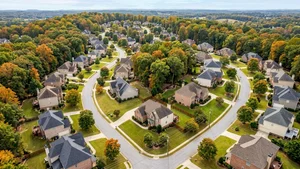
The median home price in Forsyth County, GA sits around $612,273 as of mid-2026. If you're a first-time home buyer in Forsyth County, you're probably already asking the right question: what does it actually take - income, savings, debt load - to buy comfortably in this market?
More than the sticker price, is the short answer. Lenders are looking at your gross income, your existing obligations, and the full carrying costs of any specific property before they'll tell you what you can borrow.
Figuring Out Your Forsyth County Buying Power
Homes here spend an average of 41 days on the market, so you're not buying in a blink-and-you'll-miss-it environment. That gives you real time to run the numbers before you're standing in someone's kitchen deciding whether to make an offer.
Your purchasing power comes down to three things: income, down payment, and what interest rates are doing right now. Lenders want to see that your new housing payment won't eat up too much of your monthly gross - they're looking at what you earn before taxes, then comparing it against what this house will actually cost you each month to carry.
With 1,537 homes currently available across the county, you've got range - townhomes, large single-family properties, everything in between. Knowing your real ceiling before you start touring means you're not wasting weekends on houses that won't work.
Local Home Prices Right Now
As of mid-2026, the median sale price in Forsyth County is roughly $612,000. Half the homes sell above that number, half below - that's what median means. Prices have dipped about 5.8% over the past year, which has taken some of the edge off for buyers.
Sellers are still getting close to what they're asking. The average sale-to-list ratio is 98.38%, and about 11% of homes are going above list price - so don't walk in assuming every seller is desperate to negotiate. Leave yourself some room.
The 28/36 Rule for Income and Debt
Lenders lean on the 28/36 rule as a starting framework. The idea is straightforward: no more than 28% of your gross monthly income should go toward housing costs, and no more than 36% toward all your debt combined - mortgage, car loans, credit cards, the works.
Housing costs in that calculation mean principal, interest, property taxes, insurance, and any HOA fees. Stay reasonably close to those percentages and you're not going to feel the squeeze every month.
Monthly Costs Beyond the Mortgage Payment
A $600,000 house in one county can cost you meaningfully more per month than a $600,000 house somewhere else, purely because of taxes and insurance. Those numbers go directly into your debt-to-income calculation - if they're high, your approved loan amount shrinks, even if the purchase price stays the same.
Don't assume a house fits your budget until you've looked at the full picture for that specific property. A listing with extensive community amenities or a higher tax assessment requires more qualifying income than a simpler one at the same price.
Local Property Taxes
This is actually good news for Forsyth County buyers. The county's median effective property tax rate is approximately 0.85% of assessed value - below the national median of 1.02% and the Georgia state median of 1.00%.
For specifics: the 2025 combined millage rate was adopted at 7.896 mills for county-level maintenance, operations, bond, and fire services. Add in school district levies and the total combined rate runs around 24.5 mills. That works out to a median annual tax bill of roughly $4,512, though your exact number will depend on the home's assessed value and any exemptions you qualify for.
Homeowners Insurance and HOA Dues
Georgia homeowners insurance varies by location, coverage amount, and insurer. For a policy in the $300,000 to $350,000 dwelling coverage range, average annual premiums run roughly $1,700 to $2,640 - though some estimates push closer to $4,000 depending on specific risk factors.
A lot of Forsyth County neighborhoods have HOAs. If you're buying in a swim and tennis community, those monthly or annual dues go straight into your debt-to-income ratio. They're not optional costs you can talk a lender into ignoring.
Upfront Closing Costs
Closing costs in Georgia typically run 2% to 5% of the loan amount, covering the appraisal, title search, attorney fees, and lender origination charges. You'll need that cash in addition to your down payment - it comes due at the closing table, not later.
Plan for it early. Running your savings down to zero just to close means you've got nothing left for the first repair that comes up.
How Existing Debt Affects Your Loan Limits
Two buyers, same $150,000 salary - completely different buying power if one carries heavy student loans and a car payment and the other doesn't. Lenders see all of it.
The metric is your Debt-to-Income ratio, or DTI. It's simply what you owe each month divided by what you earn before taxes. Conventional loans generally want that number under 36% to 43%. Some FHA loans will go up to 50% for borrowers with strong credit, but push past the limits and you're either looking at lower-priced homes or you need to pay down balances before you apply.
Finding Your Debt-to-Income Ratio
Add up every minimum monthly debt payment - auto loans, minimum credit card payments, student loans, personal loans. Groceries, utilities, and other living expenses don't count here. Divide that total by your gross monthly income and multiply by 100. That percentage is what lenders see before your mortgage even enters the picture.
Ways to Lower Your Debt Burden
If you have high-interest accounts with relatively small balances, knock those out first. Eliminating a $300 monthly credit card payment frees up $300 in qualified borrowing capacity - it's a direct trade.
And don't finance anything new while you're shopping for a house. A new car, a furniture line of credit, anything that adds a monthly obligation to your name can shift your DTI enough to cost you the loan - sometimes right before closing.
State and Local Programs That Boost Your Budget
First-time buyers and certain professionals have access to programs that can make the numbers work where they otherwise might not. Forsyth County falls within the service area for several Georgia state initiatives, and they're worth knowing about before you rule anything out.
These programs primarily help with upfront cash requirements, which is where a lot of buyers get stuck. One thing to know going in: most require specific lender partnerships and homebuyer education courses, so check eligibility early rather than as an afterthought.
Down Payment Assistance
Forsyth County is included in the Georgia Dream Homeownership Program's Atlanta MSA service area. Standard applicants can receive down payment and closing cost assistance equal to 5% of the purchase price, up to a maximum of $10,000.
If you fall into the Protectors, Educators, Nurses (PEN) category, or qualify under the Choice program for individuals with disabilities, that increases to 6%, up to a maximum of $12,500.
Georgia Dream and Peach Plus
The Georgia Dream "Peach Plus" program is worth a look if your income is on the higher end. Paired with an FHA loan, it allows income limits up to roughly $195,000 and home price limits up to $650,000.
Habitat for Humanity North Central Georgia also serves Forsyth County residents for buyers exploring other paths to ownership, with opportunities based on specific income and need guidelines.
Frequently Asked Questions
What salary do I need to make to afford an average-priced home in Forsyth County, GA?
It depends on your down payment and current interest rates. With the median home price around $612,000, you're generally looking at a household income well into the six figures to meet lender guidelines comfortably.
How do Forsyth County's property tax rates and exemptions affect my maximum monthly mortgage budget?
Lower taxes give you more room to borrow. Because Forsyth County's median effective tax rate is around 0.85% - below the national average - less of your monthly payment goes to the county, which means you can qualify for a slightly larger loan on the house itself.
Will the HOA fees in Forsyth County swim and tennis communities reduce the loan amount I can qualify for?
Yes. Lenders count monthly HOA dues in your debt-to-income ratio. A high HOA fee directly lowers the maximum loan amount you can qualify for.
How much cash do I need saved for a down payment and closing costs on a typical Forsyth County home?
You'll need your down payment plus closing costs on top of it. Closing costs in Georgia generally run 2% to 5% of your loan amount, so plan for several thousand dollars in upfront fees beyond whatever you're putting down.