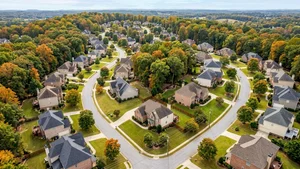
Forsyth County sits just north of Atlanta, with the county seat of Cumming at an elevation of about 1,217 feet. The terrain climbs higher from there - Sawnee Mountain tops out at 1,946 feet - and that extra elevation quietly shapes the local climate in ways a buyer coming from the city might not expect. The median home price here runs around $612,000, and as you weigh the pros and cons of living in Forsyth County, it's worth understanding what the seasons actually look like on the ground.
The area carries a humid subtropical classification, Köppen Cfa if you want to be precise about it. Four distinct seasons, hot and muggy summers, winters that are short but damp. Knowing the weather cycle helps you time a move, schedule inspections, and think clearly about what a property will demand from you year after year.
Forsyth County Climate and Temperature Averages
The annual average high across Forsyth County is 70.2°F; the average annual low is 47.2°F. Those numbers are fine as a baseline, but the month-to-month swings are what you'll actually feel. The climate here tracks closely with nearby North Georgia markets like Alpharetta and Gainesville - same general patterns, same seasonal rhythm.
July is the peak. Average highs sit around 91°F, and overnight lows only drift down to about 71°F. From late May through September, the atmospheric moisture combines with the heat to create conditions that are genuinely thick. January is the opposite extreme - daytime highs around 51°F, overnight lows right at freezing, 32°F. The cold season is relatively short, but it's damp, and that combination puts real demands on a home's heating system.
Summer Heat and Humidity
Air conditioning isn't optional here - it's the load-bearing wall of summer comfort. When you're touring homes, pay close attention to HVAC ages and maintenance records. A system that's been struggling through Forsyth County summers for fifteen years has a story to tell.
Covered patios, screened porches, and shade trees aren't just amenities in this market - they're practical tools against peak afternoon heat. Access to Lake Lanier matters for the same reason. Buyers who factor in outdoor livability tend to be happier here long-term.
Winter Chills and Snowfall
Forsyth County averages about 1 inch of snow per year - well below the national average of 28 inches. Most of what falls in winter comes as cold rain rather than anything that accumulates. You're unlikely to need a snow shovel.
That said, freezing overnight temperatures are real, and ice on driveways does happen during January cold snaps. Standard winterization still applies: disconnect exterior hoses, insulate exposed pipes, seal drafty windows. The winters are brief, but they're not something to ignore entirely.
Rain, Storms, and Changing Seasons
Forsyth County receives about 54 inches of rain annually - well above the United States average of 38 inches. April is typically the wettest month, and the landscape reflects it. The forests are thick, the lawns are lush, and the drainage systems on older properties get tested hard.
That's the thing about a property here: good grading, clean gutters, and functional downspouts aren't bonus points on a home inspection - they're table stakes. When you're walking a property, look at how the yard slopes, check the retaining walls, and think about where water goes when 54 inches of it falls every year.
Spring and fall pull the most buyer activity, and it makes sense. Temperatures moderate, the summer humidity backs off, and the surroundings are genuinely attractive - blooming in spring, crisp and colorful in fall. Homes show well in both windows.
Spring and Fall Transitions
Spring gets moving early. By March, plant growth accelerates and pollen counts spike hard. The heavy April rains wash most of that away, and by May the conditions are about as pleasant as North Georgia gets.
Fall is a long, gradual cooldown beginning in late September. October and November tend to run dry and crisp - good conditions for exterior work like roof replacements and painting, and honestly, some of the best weather you'll find for moving day logistics.
Severe Weather Risks
Forsyth County, like most of the Southeast, sees occasional severe thunderstorms and carries a real tornado risk. Spring and early summer are the most active periods for strong fronts moving through.
Before closing on any property here, look carefully at the roof and the large trees near the structure. Dead branches and loose shingles become problems fast when high winds arrive.
How Weather Impacts the Local Housing Market
There are currently roughly 1,537 homes on the market in Forsyth County, with a median days-on-market of 41. It's a steady pace. And the weather does meaningfully shape when listings appear and when buyers show up.
Sellers tend to target spring for the obvious reasons - mild temperatures, blooming landscaping, comfortable showing conditions. The catch is April's rain, which can complicate scheduling exterior photography and push flexible timelines. Summer heat doesn't kill demand, but it does make midday showings less pleasant, and a house with a struggling air conditioner will feel it immediately.
There's an upside to touring in bad weather, though. Walking a property during a summer downpour tells you exactly how water moves across the driveway and away from - or toward - the foundation. That's information a dry-weather showing simply won't give you.
Best Times to Move or Visit
If you have any control over your relocation timeline, October and November are the sweet spot. You'll avoid the peak summer heat and the heavy spring rains, and movers work considerably more efficiently when temperatures are sitting in the 60s and 70s.
Fall visits also give you a cleaner read on the area's topography and road layouts - no extreme weather pulling your attention away from what you're actually trying to evaluate.
Property Considerations for Buyers
The climate here pushes certain features up the priority list. Climate-controlled storage inside the home or garage protects belongings from the persistent summer humidity. Energy-efficient windows and solid insulation keep utility bills from getting away from you during the peak heat months.
On inspections, the HVAC system and the roof deserve particular attention. A 15-year-old air conditioner facing a 91°F July afternoon is already on borrowed time, and replacing it shortly after closing is a significant unplanned expense.
Frequently Asked Questions
Do I need flood insurance if I buy a waterfront home on Lake Lanier in Forsyth County?
It depends on the specific elevation and flood zone of the property. Cumming sits at 1,217 feet, but homes directly on the lake shoreline may still fall within designated flood hazard areas. Check the FEMA flood map for the specific address - your lender will likely require it anyway, and you want to know before you're in contract.
What specific weather-related wear and tear should I look for during a Forsyth County home inspection?
Start with water intrusion in basements and crawlspaces - 54 inches of annual rainfall has a way of finding the weak points. Also check for sun-damaged roofing materials and HVAC units that show signs of running constantly through the hot, humid summers.
How do the heavy spring rains and summer heat in Forsyth County impact the best time to list a house?
Spring is the most popular listing window because the weather cooperates and the surroundings look their best. The complication is April, the wettest month, which can push back exterior photography. In summer, the heat tends to thin midday foot traffic, so sellers need their air conditioning running properly to keep buyers comfortable during showings.
What happens if a severe thunderstorm damages the roof of a Forsyth County home just days before closing?
The seller carries responsibility for the property until the transaction closes and funds. If storm damage occurs, the seller typically needs to file an insurance claim and repair the roof - or the buyer and seller can negotiate a credit to cover repairs after closing.
Are basement moisture issues common in Forsyth County real estate due to the local climate and soil?
Yes. The county receives well above the national average for rainfall, and basements feel that. Proper exterior grading, functional gutters, and sometimes interior waterproofing systems are what stand between a dry basement and a problem one - particularly during those heavy April downpours.
Does the risk of severe storms and tornadoes in North Georgia affect homeowners insurance rates for Forsyth County properties?
Yes - regional weather risks including severe thunderstorms and tornadoes factor into property insurance premiums. Get your insurance quotes early in the escrow process so you're budgeting accurately for monthly housing costs, not guessing.